
Building in Bali rarely goes wrong in the design. It goes wrong in the execution, and almost always with the same party: the contractor. On this page we explain the pitfalls we run into in practice and how we covered them on our villa project in Bingin, Uluwatu.
A villa park in Bali stands or falls with the people who build it. We placed the design with an Italian architect, so the villas would not become yet another copy of what is already there: rounded shapes, plenty of daylight and a layout that makes the most of the limited plot. That design was translated into a build plan in which every square metre counts towards the return.
For the execution we worked with a contractor with a demonstrable track record, and on top of that we hired an external supervisor. That supervisor does not work for the builder but for the project: he checks the quality of the work, reviews the planning and reports deviations before they become expensive. It is an extra cost that in Bali almost always pays for itself.
The wellness amenities – the saunas, ice baths and jacuzzis that carry the concept – were not improvised locally but installed by a specialised Australian company. Those installations determine whether guests return, and they are exactly where most problems arise in Bali.
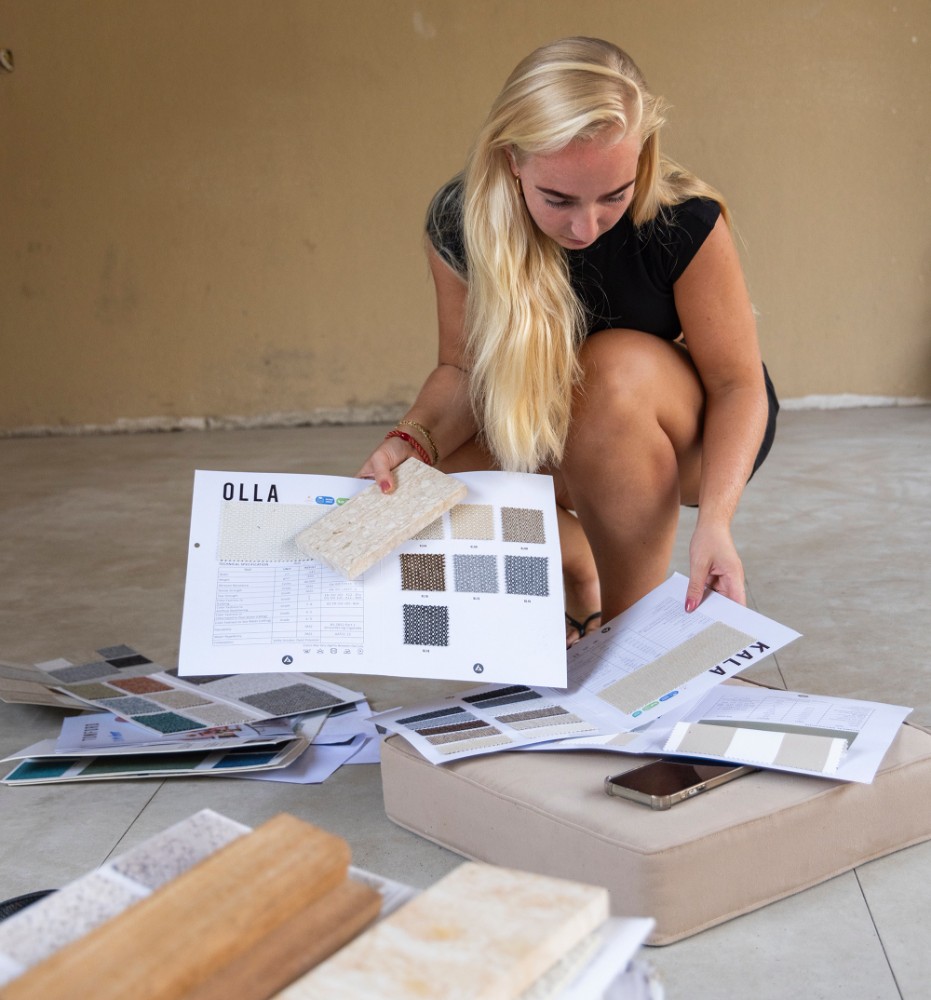
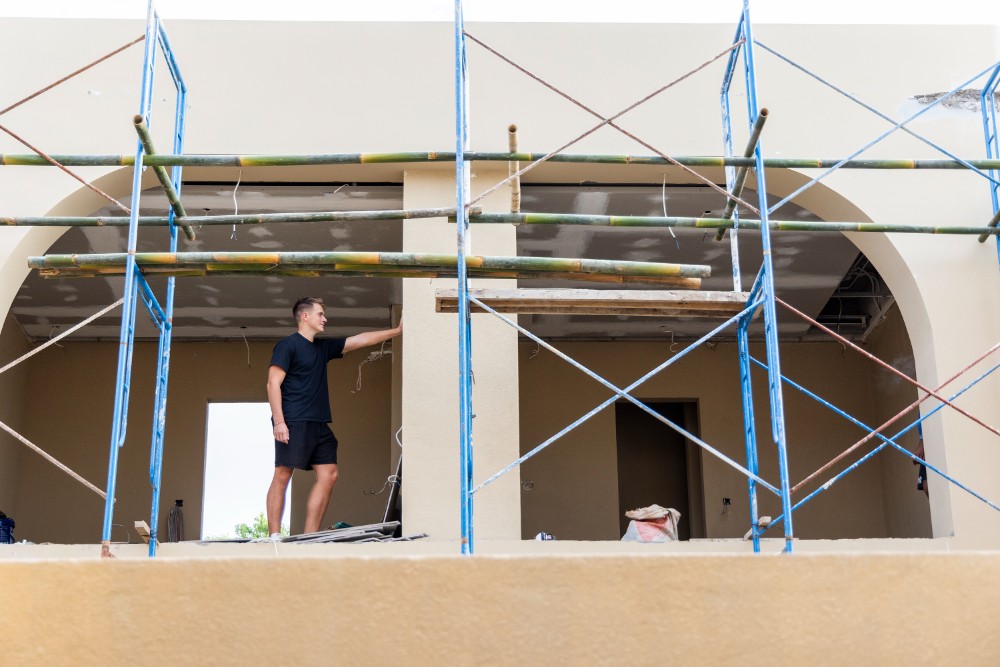
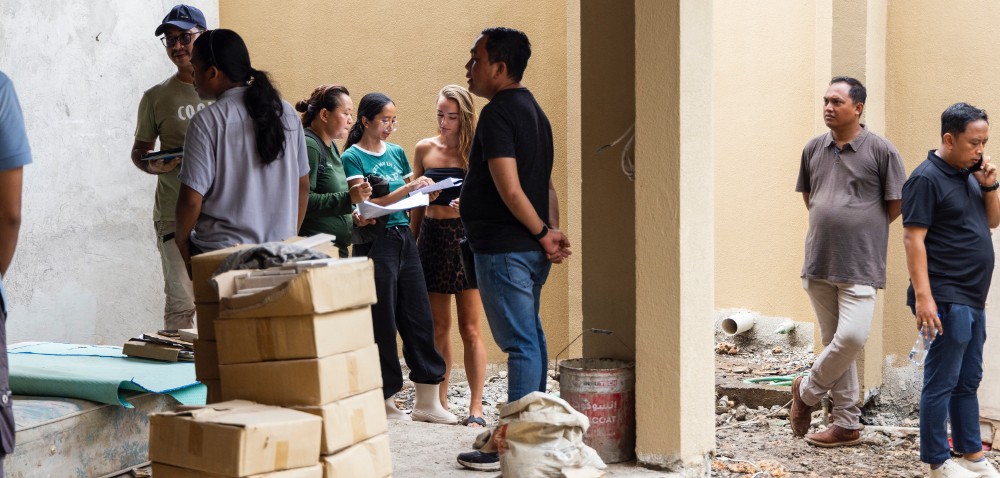
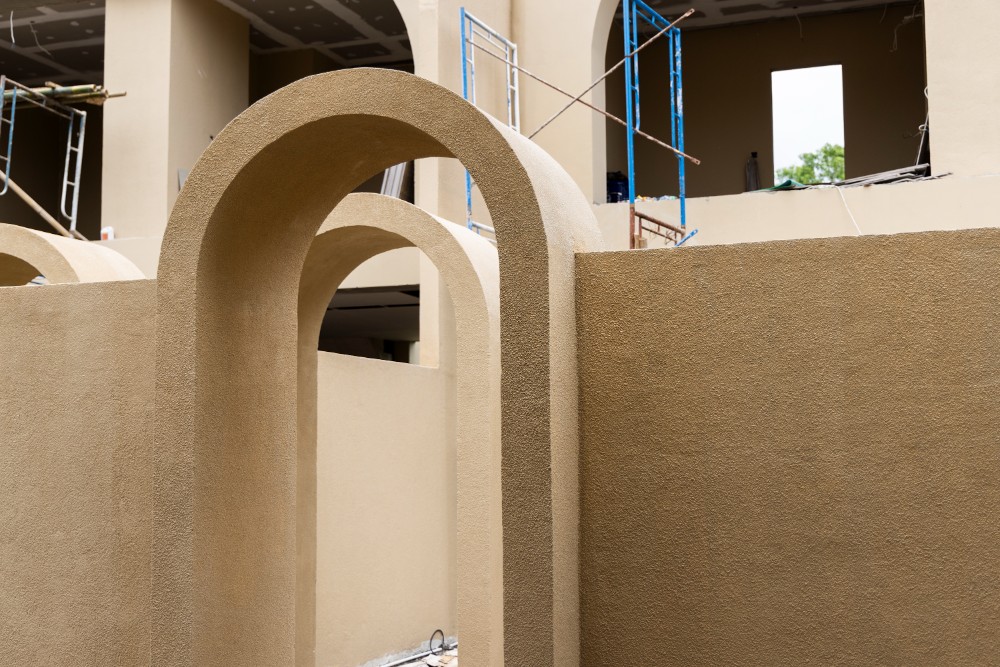
Anyone building in Bali without proper guidance runs into risks that occur here more often than in Europe. These are the main ones.
It happens that a builder is paid in advance, leaves the work half finished and moves to another island. Recovering your money is then effectively hopeless: distance, language and the legal system are not on your side. Only work with parties with a verifiable track record and pay in instalments tied to delivered work, never far ahead.
Bidding too sharply and demanding extra payment halfway is a classic. The project comes to a standstill and you face a choice: pay up or start over. A realistic budget up front – even if it is higher than the cheapest quote – and someone checking progress keep this manageable.
What looks good at handover can disappoint after a single rainy season. Moisture, drainage and construction details are unforgiving in Bali. Independent quality control during construction is the only moment at which you can still correct it; afterwards you pay twice.
Wellness installations, water management and technical systems call for specialists. That is why we had the wellness amenities built by an Australian company. It costs more, but a sauna or ice bath that does not work costs you occupancy.
As an investor you are thousands of kilometres away. Without someone on site looking after your interests, you only hear about a problem once it costs money. An external supervisor is not a luxury but an insurance policy.
In short: the difference between a project that delivers what was promised and one that stalls is rarely in the design and almost always in the execution and the supervision of it.
The villas in Bingin have been completed and are in operation. On the project page you will find all the photos, the facilities and the figures.